Journalism Colored Icons: Graphics and Icons for Modern Design
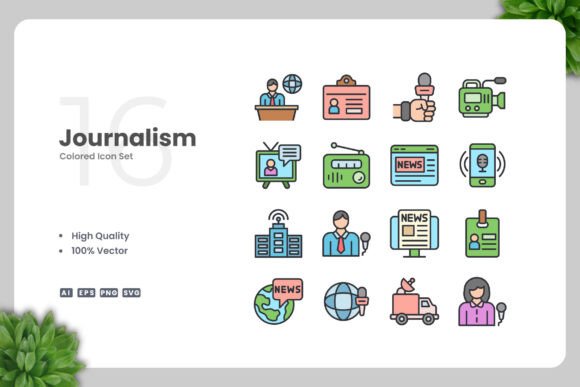
As a blog designer and digital publisher, I'm always on the lookout for high-quality graphic design assets that can elevate content presentation. Journalism Colored Icons caught my attention with its simple and clean design, offering versatility across a wide range of publishing needs. From editorial layouts to social media graphics, this collection delivers a professional edge without sacrificing creativity.
The First Impression: Editorial Mood and Visual Tone
Journalism Colored Icons immediately convey a sense of clarity and professionalism. The visual tone feels modern and polished, making it ideal for content niches that require a strong editorial presence. Whether you're creating blog graphics for lifestyle, business, or educational content, these icons support a clean, organized aesthetic that enhances readability and engagement.
The design is neither too playful nor overly formal, striking a balance that works well in both creative and professional settings. This makes it particularly useful for content creators who want to maintain a consistent brand identity across multiple platforms.
Real Publishing Use Cases
Journalism Colored Icons can be seamlessly integrated into various publishing workflows. For instance, when designing a featured image for a blog post, these icons add visual interest without overwhelming the main message. They also work well as Pinterest pin graphics, helping to draw attention and increase click-through rates.
For article headers and website banners, these icons provide a subtle yet effective way to highlight key sections or categories. In editorial layouts, they serve as visual accents that guide the reader’s eye through the content. When used in newsletter graphics or lead magnets, they reinforce the professional look of your content marketing efforts.
Additionally, these icons are perfect for digital guides, worksheets, and eBook covers. Their vector format allows for easy resizing and color changes, making them adaptable to different design needs. Whether you're creating printable design elements or Canva templates, Journalism Colored Icons offer flexibility and efficiency.
Boosting Content Performance
Using Journalism Colored Icons can significantly improve the performance of your content. A stronger first impression is crucial for capturing audience attention, and these icons help create a more engaging visual hierarchy. By clearly defining sections and guiding readers through the content, they enhance the overall user experience.
These icons also support better brand identity and consistency, which are essential for building trust with your audience. When used across multiple platforms—such as social media posts, affiliate marketing materials, or digital ads—they create a unified visual language that strengthens your online presence.
Moreover, their clean design ensures that they don’t distract from the main content, allowing your message to shine through. This is especially important for content that relies on strong visuals, such as downloadable resources or digital products.
Where Journalism Colored Icons Excel
Journalism Colored Icons thrive in situations where visual appeal meets functionality. They work exceptionally well as hero images, article thumbnails, and Pinterest pins, where a strong visual hook is essential. In blog graphics and editorial accents, they add a touch of sophistication that elevates the overall design.
For content upgrades and downloadable resources, these icons help make your offerings more visually appealing and professional. They also serve as effective category visuals and newsletter headers, reinforcing your brand's aesthetic across all touchpoints.
When used in social media previews, they ensure that your content stands out in a crowded feed. Whether you're sharing a new blog post or promoting a digital guide, these icons contribute to a more cohesive and attractive online presence.
Where to Use with Caution
While Journalism Colored Icons are versatile, they may not be the best fit for every scenario. On small mobile thumbnails, their detail might get lost, so it's important to test them at different sizes. In text-heavy blog images, they could compete with the main content, so use them sparingly.
On low-contrast backgrounds or in busy layouts, these icons may not stand out as effectively. For serious professional niches or corporate content, a more minimal visual system might be preferable. Always consider the context and purpose of your design before incorporating these icons.
Publisher Notes: Testing and Optimization
Before using Journalism Colored Icons in your projects, it's essential to test them in real-world scenarios. Preview them on desktop and mobile screens to ensure they look good across all devices. Check how they appear as a thumbnail and within a full blog layout to confirm their effectiveness.
Test them alongside headline text to see how they complement your messaging. Evaluate their contrast and readability, and try them in black and white to understand their versatility. Place them beside different font styles—serif, sans serif, script, handwritten, and display—to see how they interact with your typography.
Also, review the file size for web performance and compress images properly to maintain fast loading times. Finally, confirm the commercial license to ensure compliance when using these icons on monetized websites, affiliate pages, or paid content products.
Conclusion: A Valuable Addition to Your Design Toolkit
Journalism Colored Icons are a valuable graphic design asset for bloggers, publishers, and content creators looking to enhance their visual storytelling. Their simple and clean design makes them suitable for a wide range of applications, from blog graphics to social media visuals.
Whether you're working on editorial design, web design, or content marketing, these icons offer a professional and polished look that supports your creative goals. With proper testing and optimization, they can become an essential part of your design process, helping you create more engaging and visually compelling content.